



Women’s Para Hockey Development
Women's Para Hockey Development
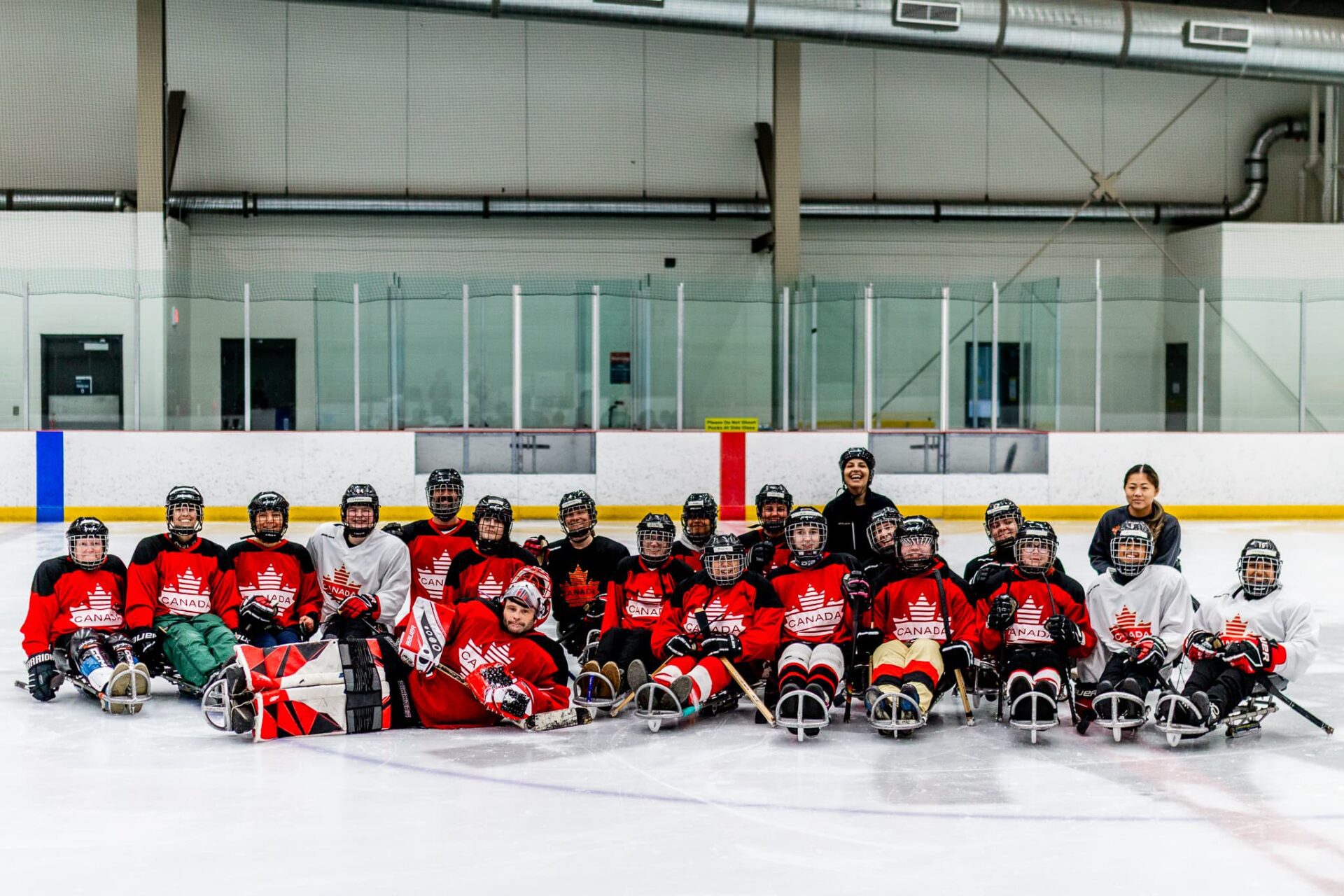
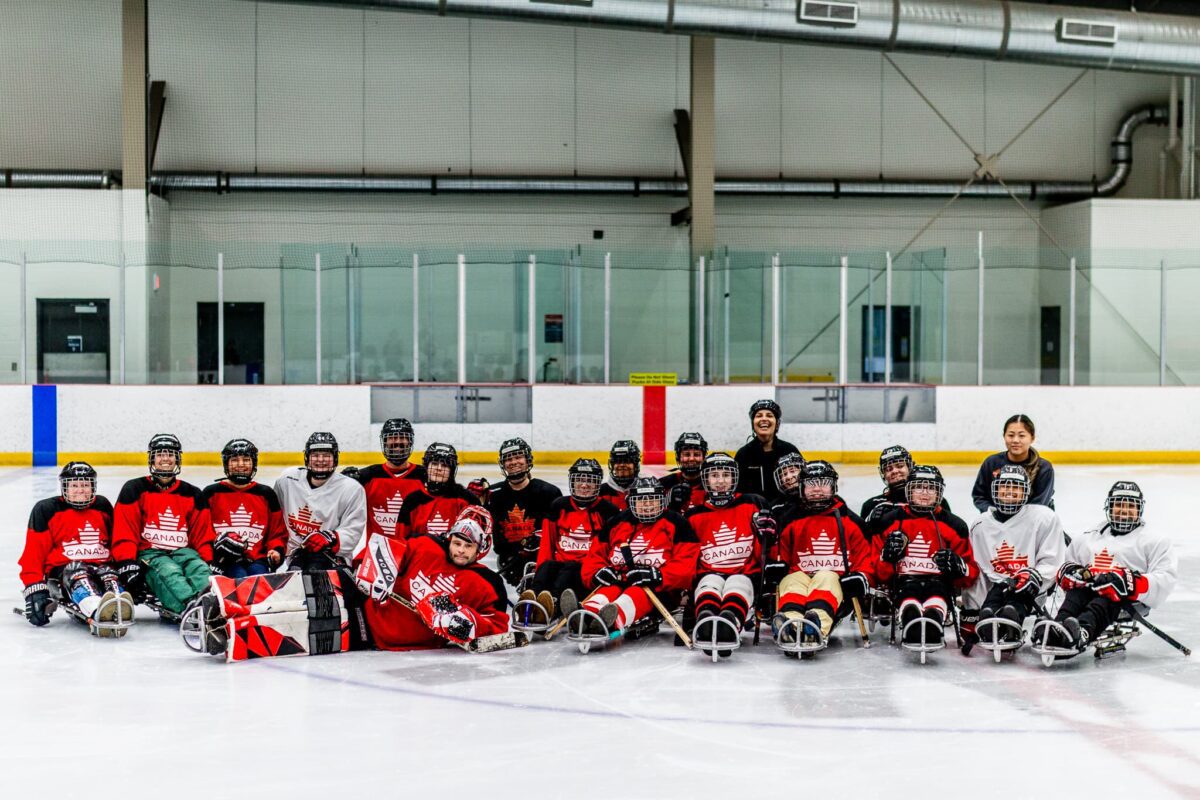
In the summer of 2025, Women's Para Hockey Canada hosted a low-cost, community-based event for 21 girls and women with disabilities in Calgary. The organization secured grant funding and donations to fully subsidize registration, equipment, and meal costs for this development opportunity. This helped eliminate key financial barriers and made participation accessible to athletes who may otherwise be unable to engage in elite para sport.
- The program was supported by a dedicated team of coaches, most of whom volunteered their time or received only a small honorarium, allowing the delivery of high-quality instruction while keeping costs low.
- National team players also served as mentors throughout the program, helping to engage new participants, build confidence, and foster a strong, inclusive community in women’s para hockey.
- Athletes were introduced to online tools and communication platforms that allow them to stay in touch, share resources, and continue their development from anywhere. Coaches also provided continued virtual support through check-ins and training plans, ensuring athletes had the guidance they needed to remain active and connected to the broader para hockey community after the program ended.
A key strategy that was used to meet the diverse needs of participants was placing women with disabilities in leadership roles, as coaches, mentors, and facilitators. This not only provided these leaders with valuable opportunities to grow their own confidence and skills, but more importantly, it served as a powerful model for newer athletes. Seeing women like themselves in leadership positions reinforced the message that they belong in sport, at every level. The organization also maintained a flexible approach to instruction and support, adapting drills and expectations to meet individual needs, and fostering a culture where differences in ability and experience were respected and embraced. Open communication and peer mentorship helped ensure every participant felt valued and supported.
Key Suggestions for Others:
- Elevate women with lived experience into leadership roles, this has a lasting impact on both the individual and the community.
- Build in peer mentorship to create a sense of belonging and continuity.
- Design programming with flexibility to accommodate different ability levels and learning styles.